No projects exist with the selected search criteria

Hello, I'm Caleb Lanphere, a sophomore computer science at St. Bonaventure University in New York. I have been self-teaching myself programming on and off since I was twelve. Since starting university, I have drastically improved my skills and found the focus I want to spend the rest of my life working towards.
From middle through High School, I had big dreams, but did not have the skills to back up such adventures. I started but failed to finished multiple projects throughout 2018-2024, with two being completed and released. When starting my bachelors program, I gained enough skills to produce complete programs and released my first, from scratch, instant messenger using Java titled TextMe
I am thriving with the structured learning and I plan on releasing more programs throughout my time at St. Bonaventure and throughout the rest of my career.
Course Description: A study of computer networks based on a layered network architecture. Various essential network protocols are examined. The course includes an overview of local area networks, routing algorithms, and network applications.
Course Description: Computers are ubiquitous in our society today. They have impacted the way we think about reality because we gain insights through googling questions and through social media. We often forget that this access to realityis mediated and might be false. Also, a large part of human interactions happens in cyberspace. And white we intuitively apply norms that guide our offline behavior to our online lives cyber communications don't necessarily trigger empathy which makes numerous of those interactions hurtful. Finally, we do online shopping, putting brick and mortar stores out of business which is leading to a reconstruction of the job market. This class addresses the impact computers have on our daily lives and presents ethical solutions.
Course Description: This course will expose the student to a wide variety of human-computer interaction material to enable them to understand and design positive user experiences with technology. Students will study the theory of user interface/experience design in class and will put that theory into practice through laboratory exercises and teamwork. Ways to learn from users will be covered, as well as design methods including prototyping, heuristics, and best practices. Broader design topics related to current computing trends will also be discussed from a human-centered perspective.
Course Description: This is the third course in the computer science major sequence. The course utilizes the object- oriented design approach to building applications, which emphasizes the creation and utilization of reusable software tools. Students are introduced to data structures that are commonly encountered in building software applications and to the analysis of the efficiency of algorithms used to solve problems. The programming language Java is used to implement software designs.
Course Description: This is the second course in the computer science major sequence. The course utilizes the object- oriented design approach to building applications, which emphasizes the creation and utilization of reusable software tools. Students are introduced to data structures that are commonly encountered in building software applications and to the analysis of the efficiency of algorithms used to solve problems. The programming language Java is used to implement software designs.
Course Description: This course presents the history, social implications, great principles, and future of computing. It examines the computing applications that have changed the world and how computing empowers discovery and progress in other fields. The relevance of computing to the student and society will be emphasized. Students will learn the joy of programming a computer using a friendly, graphical language, and will complete a substantial team programming project related to their interests.
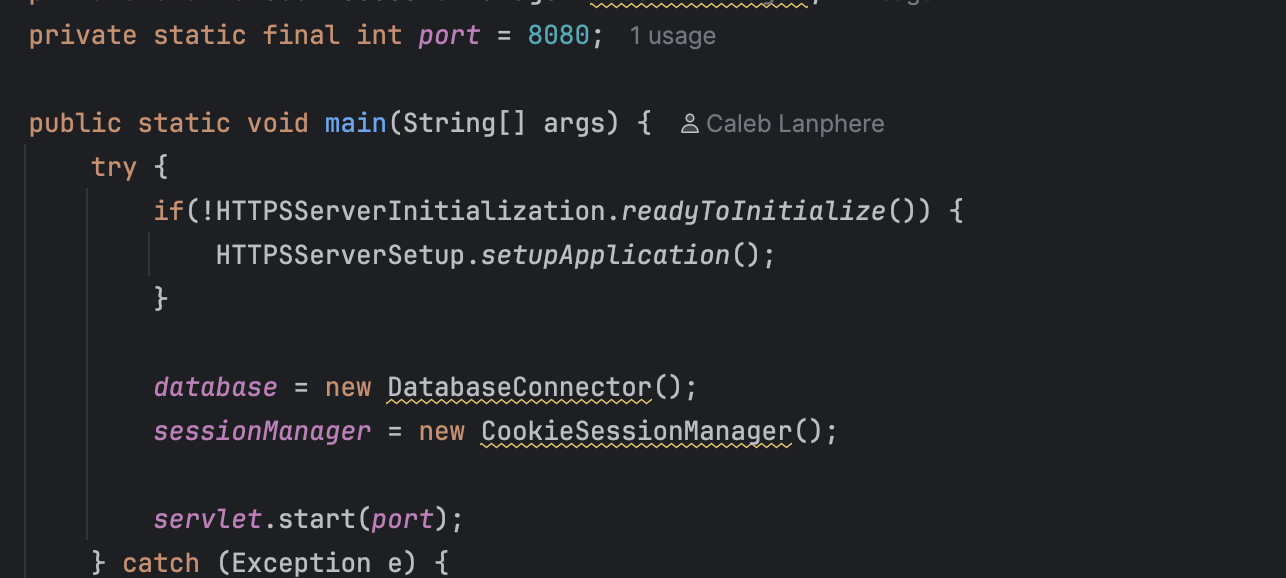
This HTTP(s) Web Server is built around the Apache HTTP servlet provided within the JRE. Around this framework, I have constructed classes to help streamline part of the process and implemented features necessary for further usage.
Learn more about this project on Github
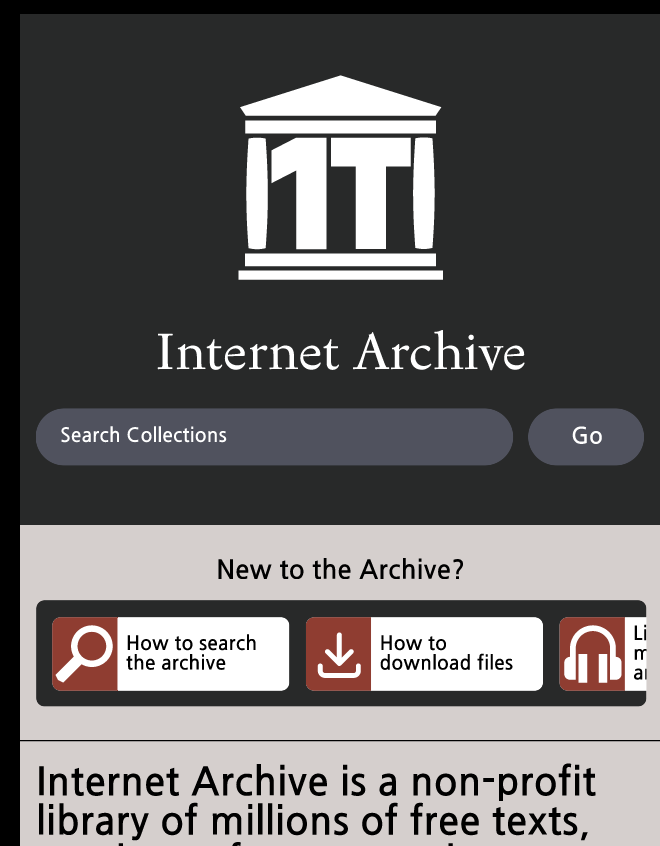
A lab for User Experience Design that had me revisit a previous design, reevaluate, and redesign it based on what I have learned throughout the course
I decided to revisit the Internet Archive design, as I felt that after learning more about User Experience design, it could provide itself as a base to show the contrast between my previous abilities and my current abilities
These designs focused on furthering the 10 Heuristic Goals outlined by Jakob Nielsen in his article 10 Usability Heuristics for User Interface Design by determining the problem areas and redesigning those parts
Learn more about this project by reading the Design Document
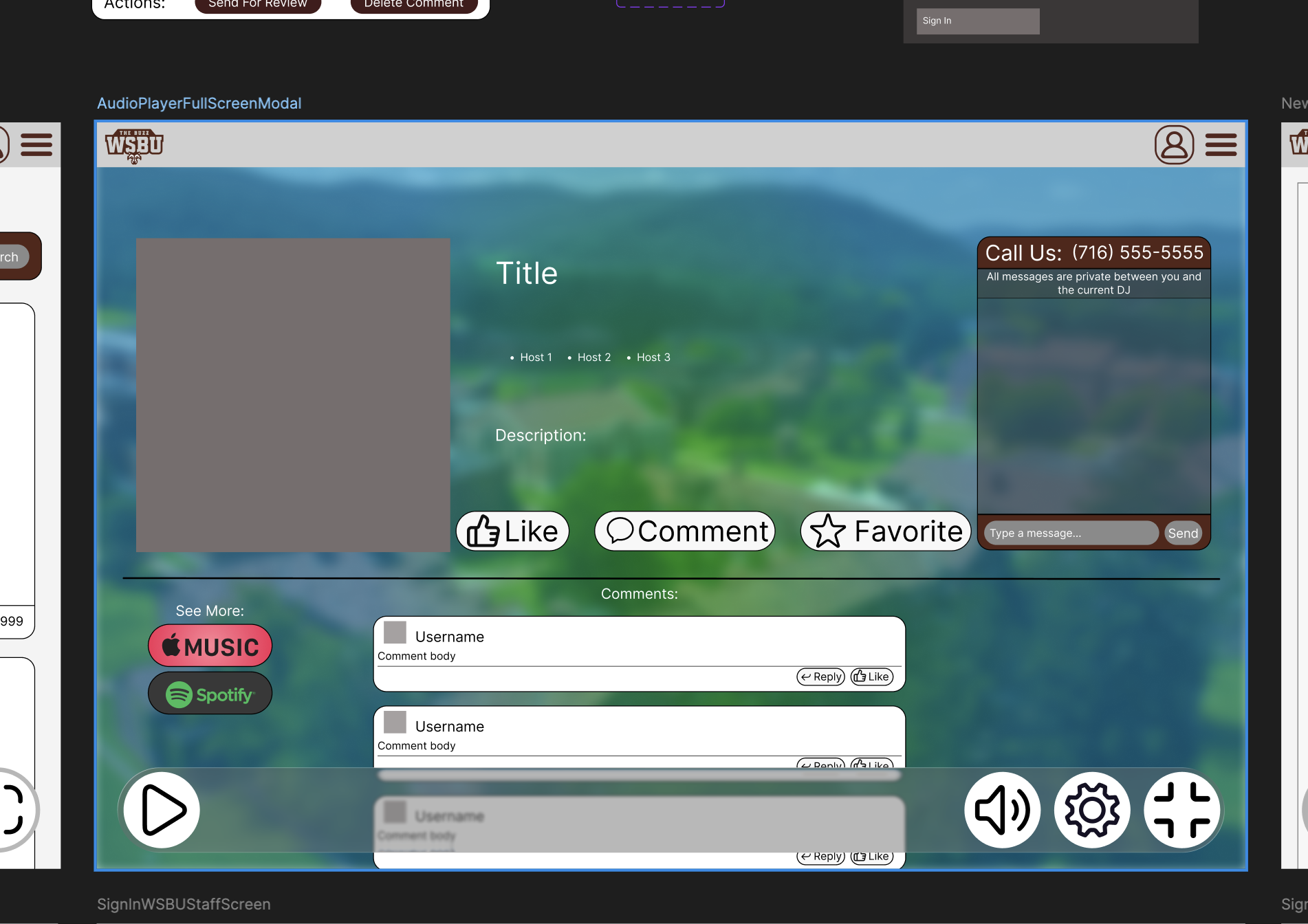
A lab for User Experience Design that had us attend an interview with a client and develop an application design based on the wants and needs specified in their interview.
Throughout this lab, I sketched a design that would:
Following the sketches, my partner and I created a cohesive Figma design that combined our designs together into a cohesive application prototype. Due to time constraints and the task we were given, we focused on feature implementation rather than a cohesive visual design further than implementing university colors across the pages.
Learn more about this project by reading the Design Document
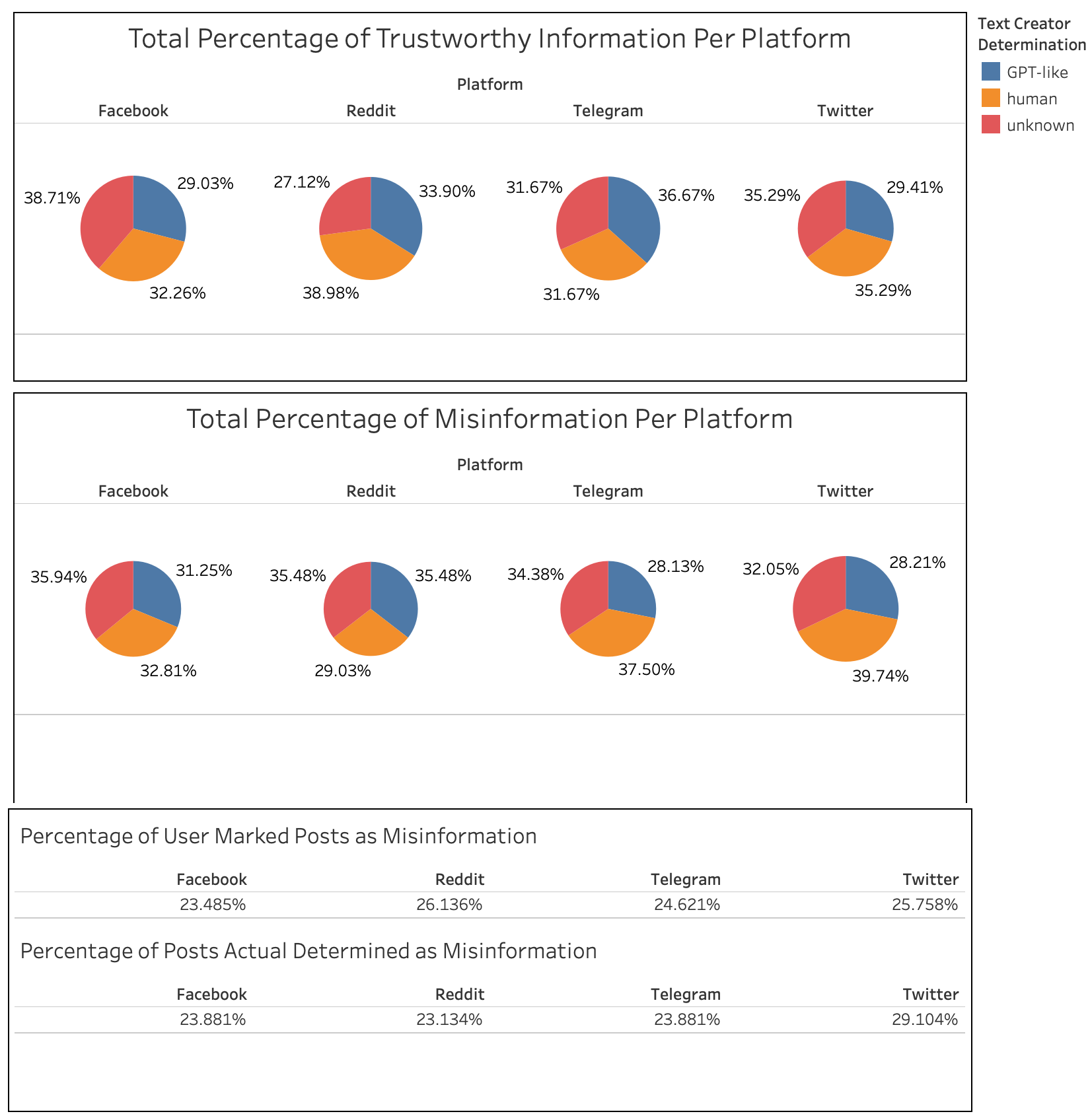
A lab for User Experience Design that had us pick a dataset and create two sets of visualizations for different groups. The first one being "persuasive" (Designed for those who do not have the time and cannot read a chart), and "clear" (Designed for those who have the time and can read a chart).
My partner and I took a dataset named Gen AI Misinformation Detection Data (2024-2025) and created four charts using the program Tableau™. One of those charts show the correlation between toxicity scores of posts against the reliability score of the sources used to verify that post. The other measured the percentage of who wrote a post per platform, split into non-misinformaton and misinformation. It also included a percentage of posts labeled as misinformation from users and a percentage of posts labeled as misinformation in the dataset.
Learn more about this project by reading the Design Document
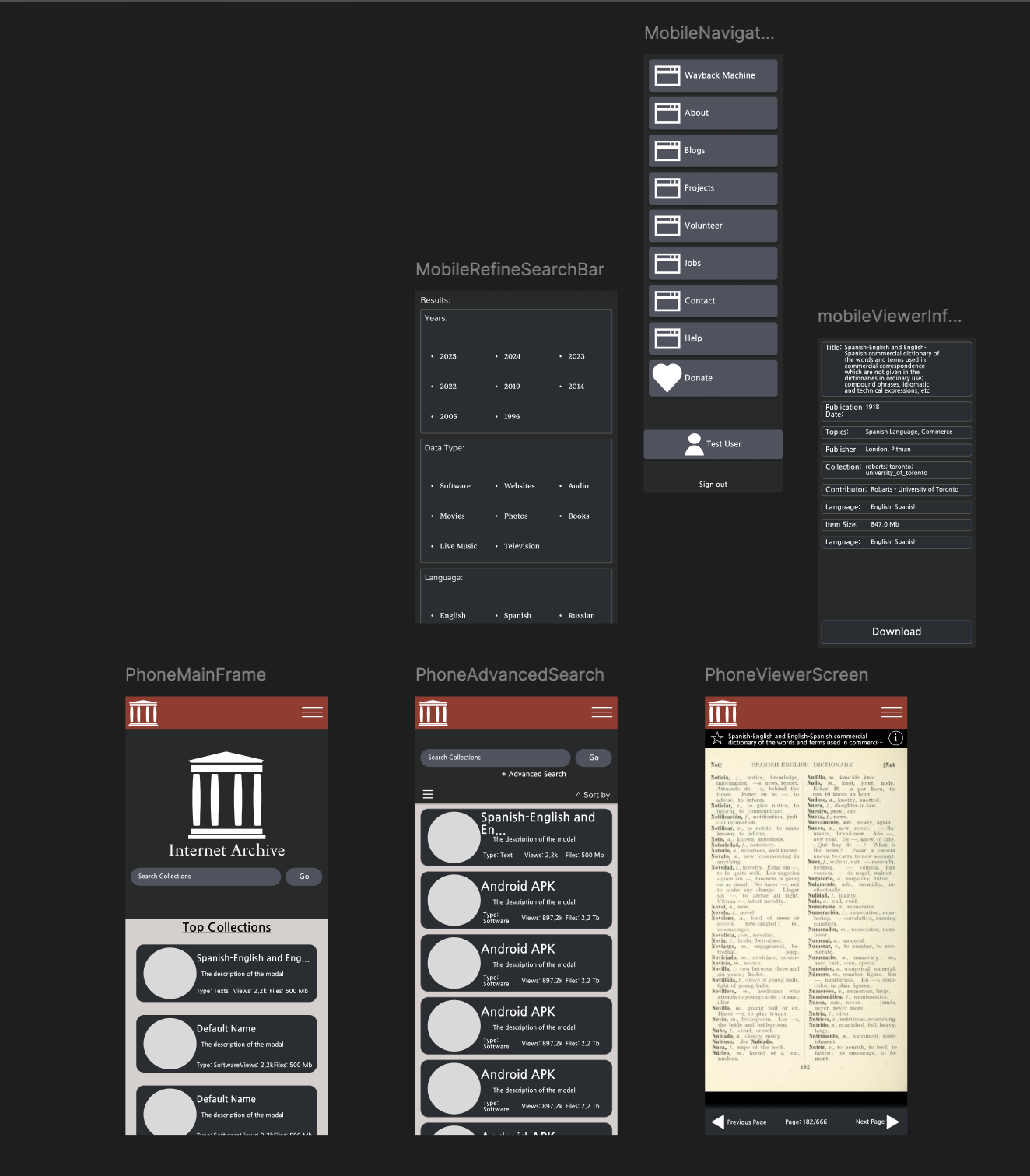
A lab for User Experience Design that took a pre-existing website and recreated it to work better on mobile screen dimensions
My partner and I took a few pages from the Internet Archive™'s site and recreated them to work better for mobile screens. These pages included the home page, search and advanced search pages, the blog page, and the content viewer modal.
These designs took into account the differences in navigation, precision, and general expectations that exist on mobile devices to make the service feel professional and flow properly for a mobile device. It not only repositioned and resized components, but merged the advanced and regular search pages into a dropdown in the main page and recreated the content viewer modal to allow for normal mobile mappings to apply with books, music, videos, and other content.
Learn more about this project by reading the Design Document
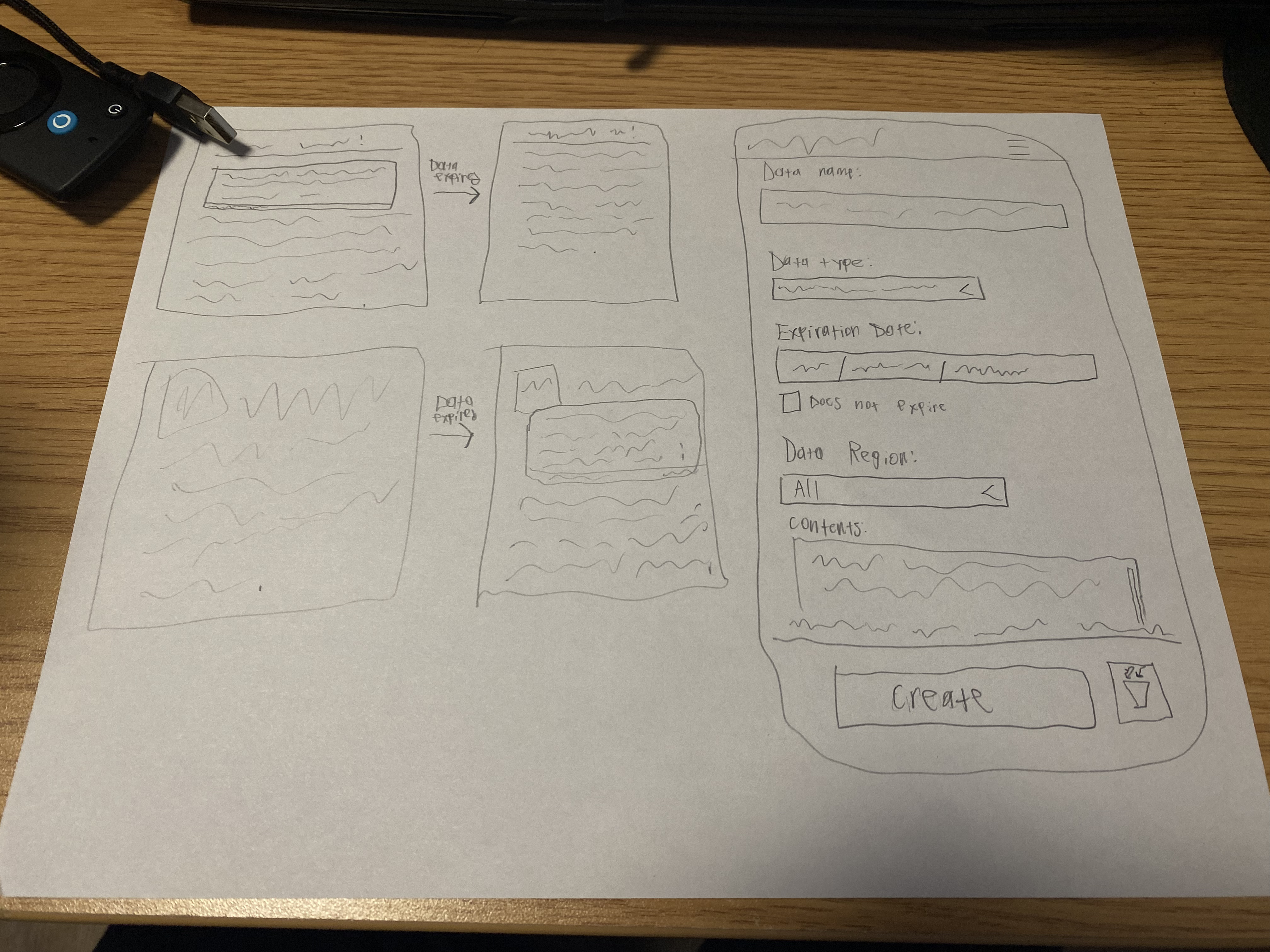
A lab for User Experience Design that used information gained previously in our conducted interviews to create sketches for a product that could solve problems noticed throughout the interviews.
Throughout my interviews, I noticed a trend of incorrect information misleading the people interviewed on ranging scales. This gave me the idea to sketch out a software that would make information invisible or change based on "expiration dates"
The product would be customizable and have open APIs for usage from other companies and sites with limited modification. This would allow any site to implement their own way to handle expired data. For example, a news site could use it to hide sections of an article if a trustworthy source could not be found within a certain time frame
Learn more about this project by reading the Design Document
TextMe is an instant messenger created using Java. This program follows a server/client architecture and has no user accounts. The program uses the Advanced Encryption Standard and the RSA standard for encrypting the messages sent through the platform. The server stores messages in memory, meaning when the server closes, the message log is erased.
Learn more about this project on Github
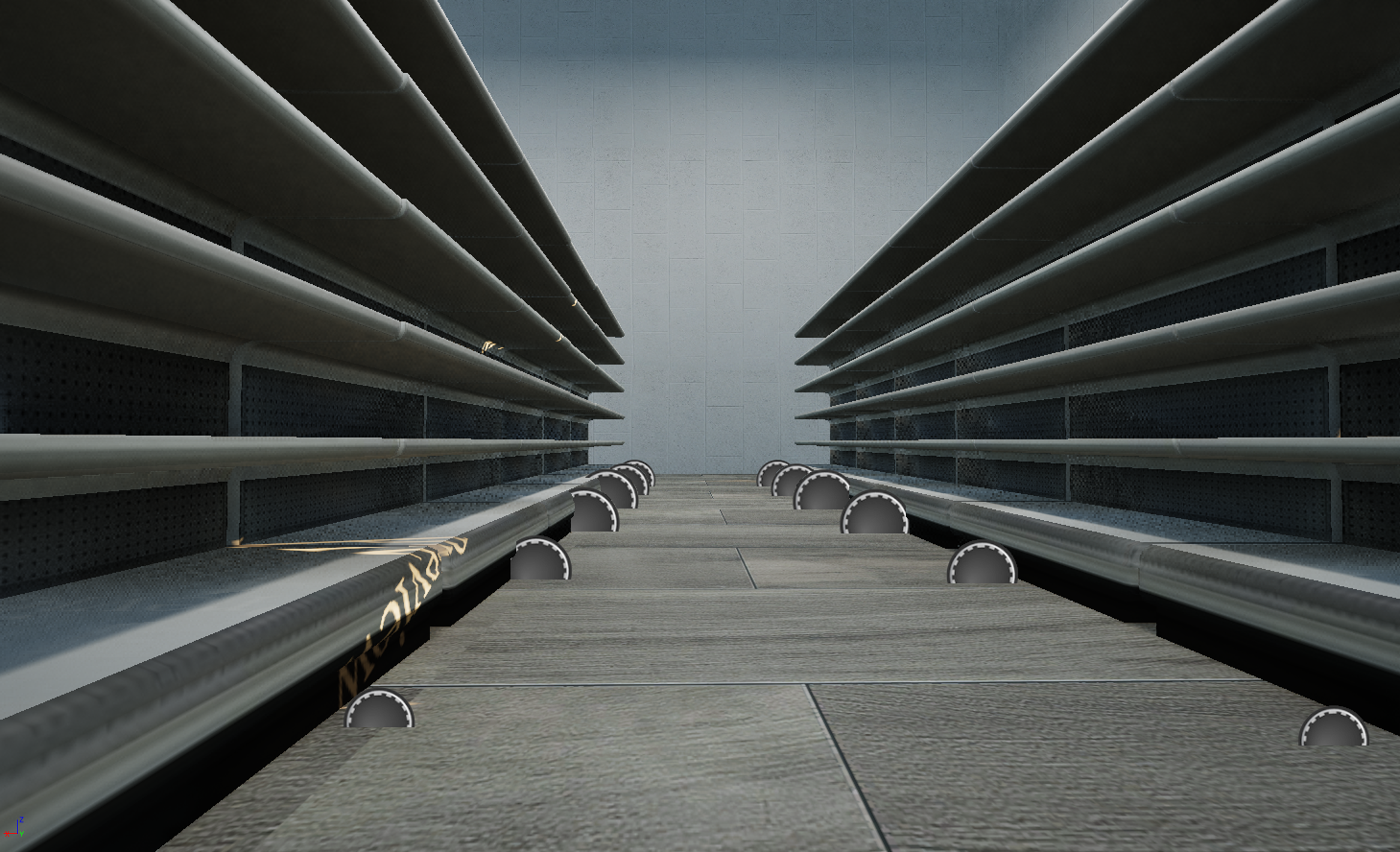
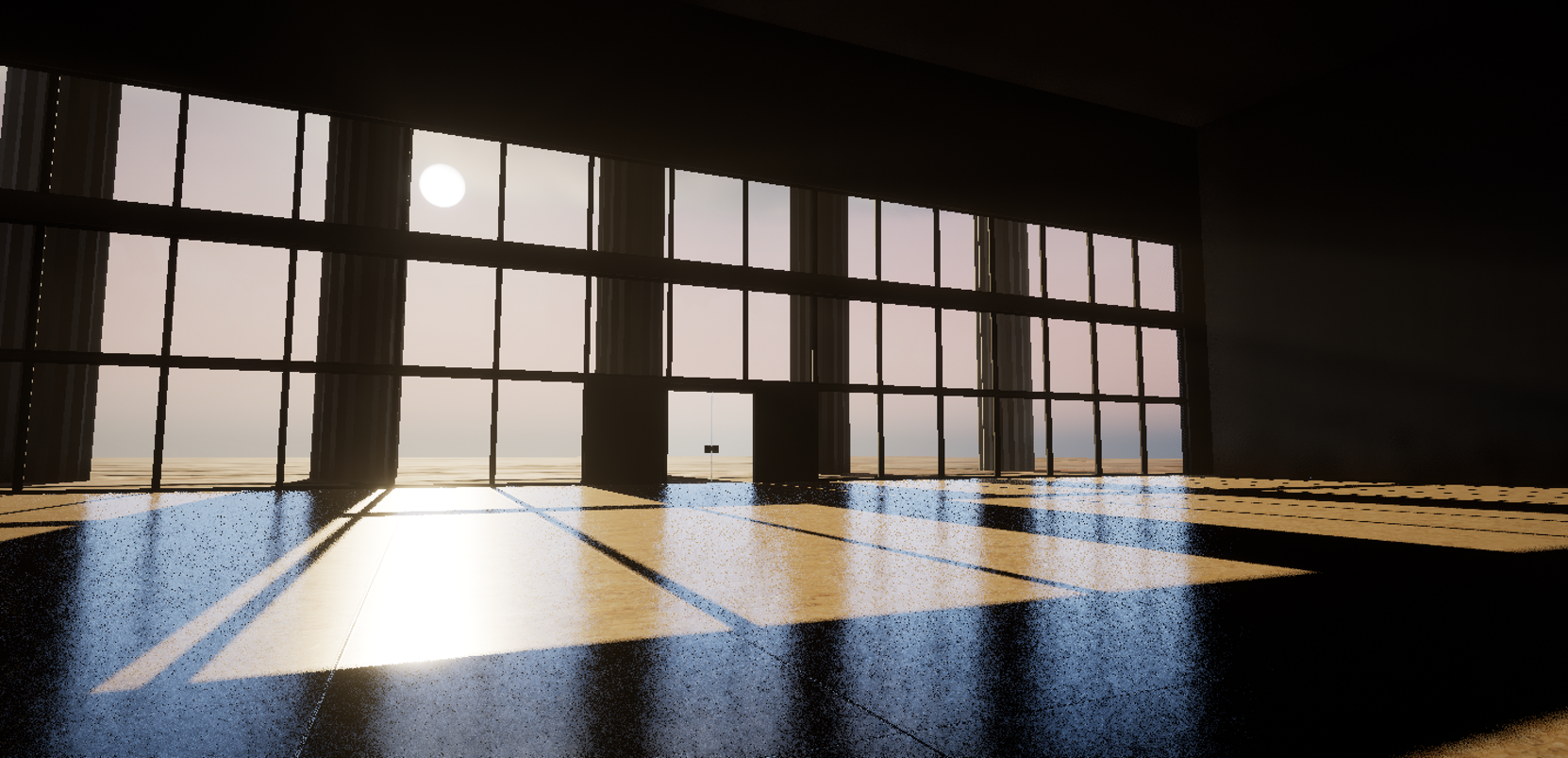
Blockout is a first person sandbox/tycoon game that has the player creating security systems for clients ranging in sophistication that are tested with AI of varying skill levels. The player is ranked based on various factors, which determines the income received at completion of each mission.
Started: Nov. 2024
Status: Currently Ongoing
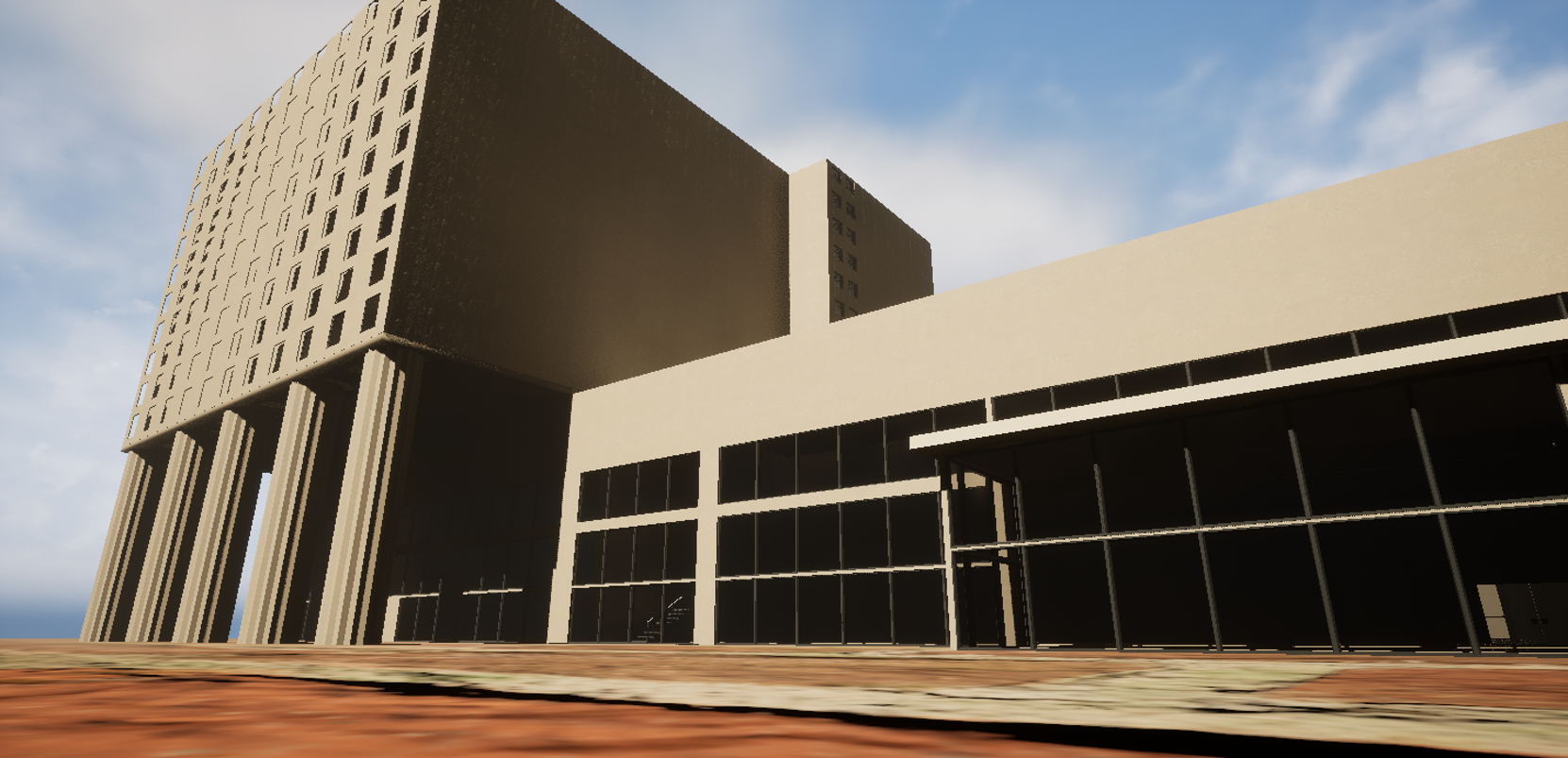
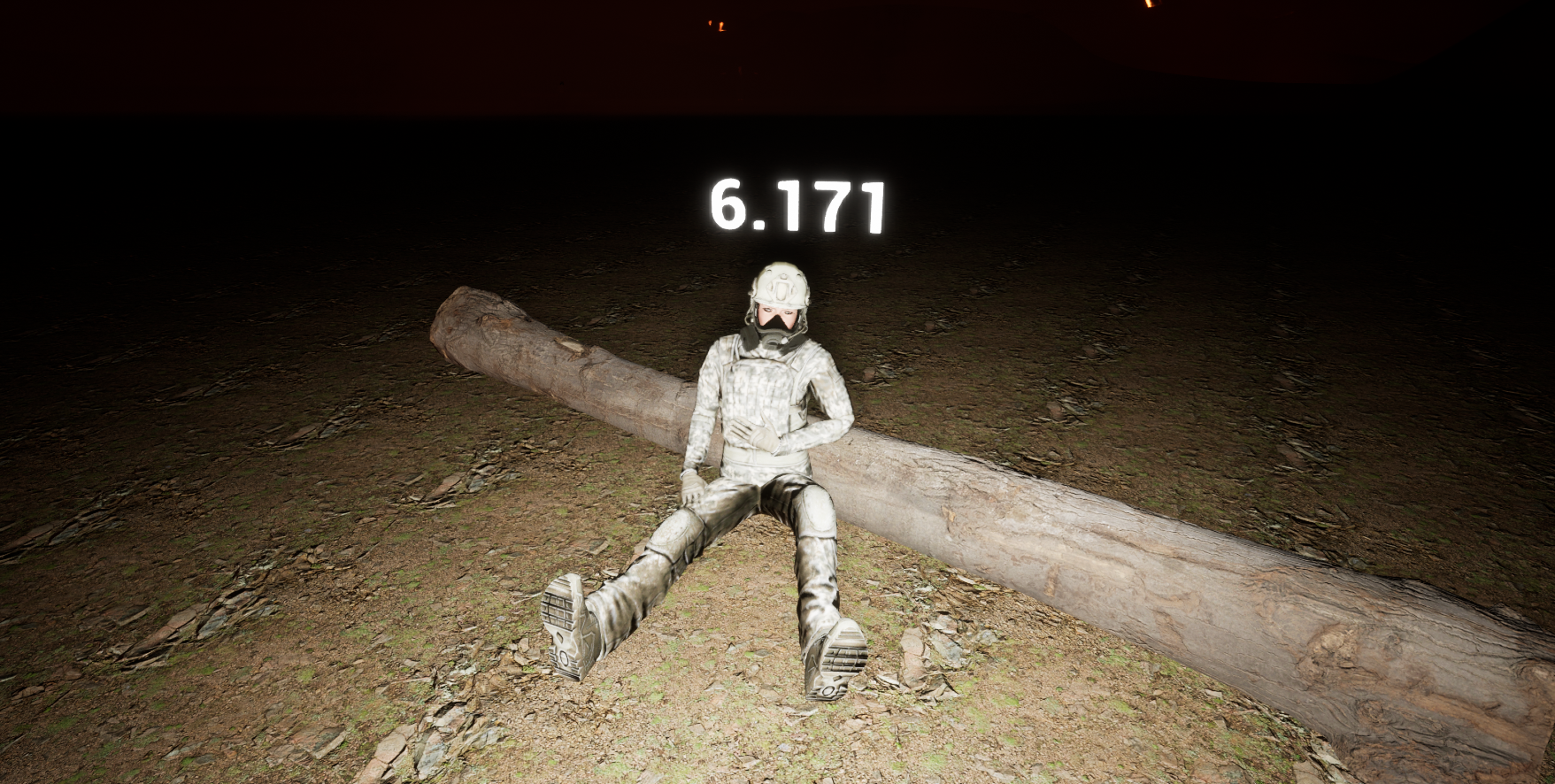
Red Cell: Point Zero is a hyper-tactical first person shooter that packs realism into the heist genre. The game features realistic AI combatants that strategize and attempt to outmaneuver the player. The game follows our protagonist, who after getting kidnapped by a gang and labeled for death, uses his skills learned to provide a life for himself while avoiding capture from the authorities as he works to clear his name.
Started: May 2024
Status: Currently Ongoing
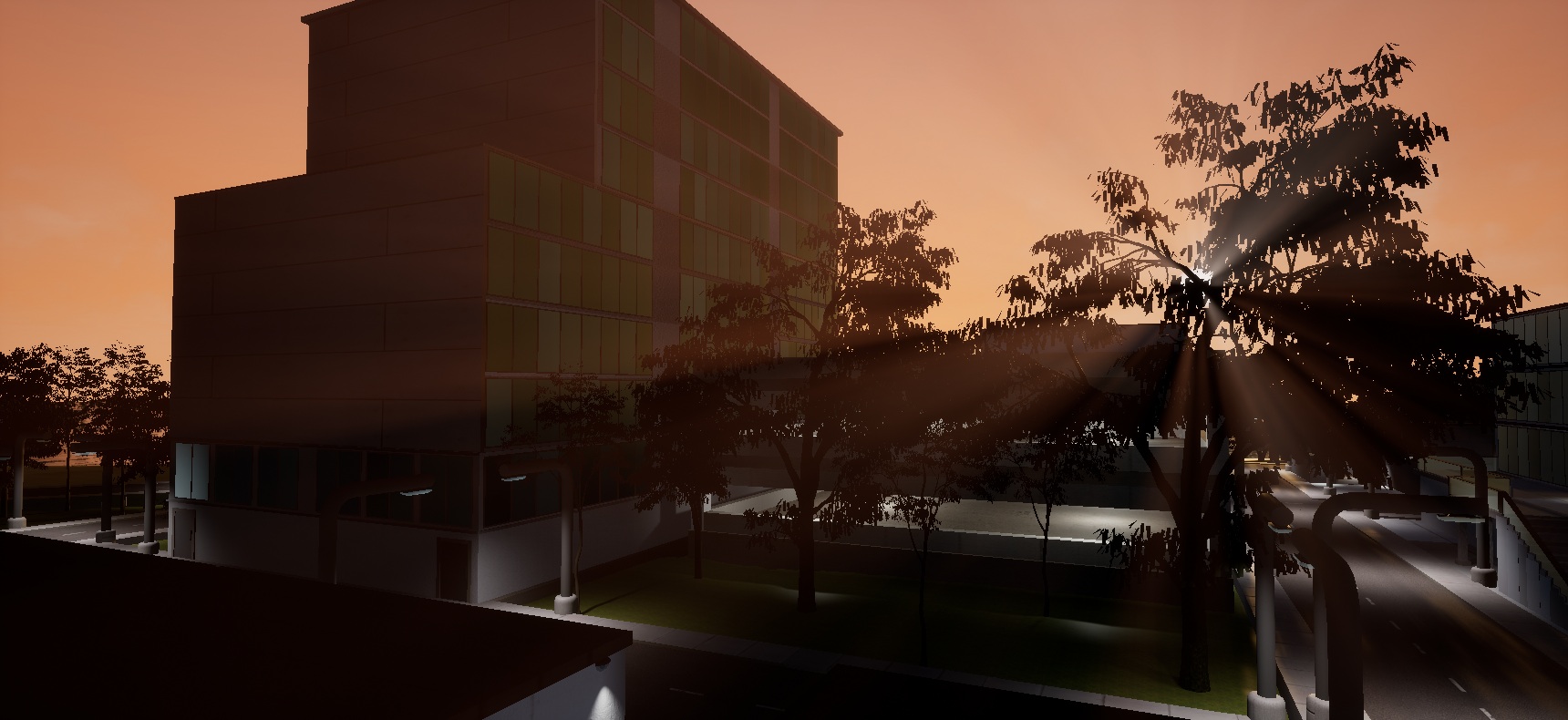
A 3rd Person action shooter project made in Unreal Engine using Blueprints. The story has you following a man who lost everything he valued and had to use his skills gained as a SWAT member to survive the cruel world who left them behind.
Started: May 2023
Status: Currently Ongoing
Operation Hacksaw was a project created for a course in high school, made using Unreal Engine using Blueprints
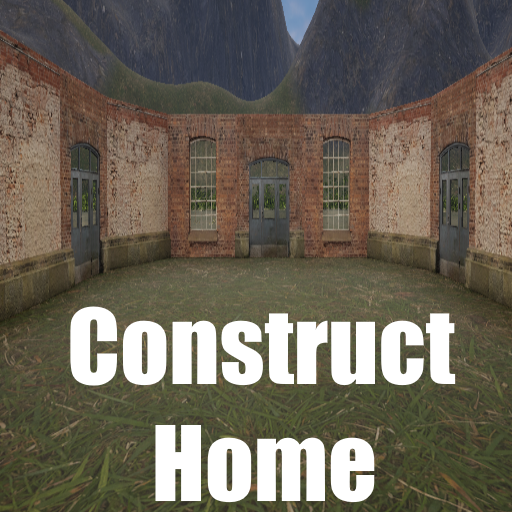
ConstructHome was a project created for a course in high school, made in Unreal Engine using Blueprints.